Spoke

Professional 3D illustration of a woman balancing health and hormones with intermittent fasting

Intermittent Fasting for Women: What Your Hormones Actually Need You to Know

, , ,

Intermittent fasting for women operates on fundamentally different hormonal logic than the generic advice suggests – because the female reproductive axis uses a sensitive energy-sensing system that can interpret aggressive fasting as a threat to survival, not a path to health.

Intermittent Fasting for Women: What Your Hormones Actually Need You to Know Read More »

A stylized 3D watercolor-style infographic showing healthy balanced food options for intermittent fasting eating window nutrition.

What to Eat During Your Intermittent Fasting Eating Window (And Why It Decides Everything)

, , ,

The intermittent fasting eating window is where your results are actually made or lost – not during the fast itself. What you eat after 12–16 hours of depletion determines whether your body partitions nutrients into repair and lean tissue, or spikes insulin hard enough to erase the metabolic advantage you spent hours building.

What to Eat During Your Intermittent Fasting Eating Window (And Why It Decides Everything) Read More »

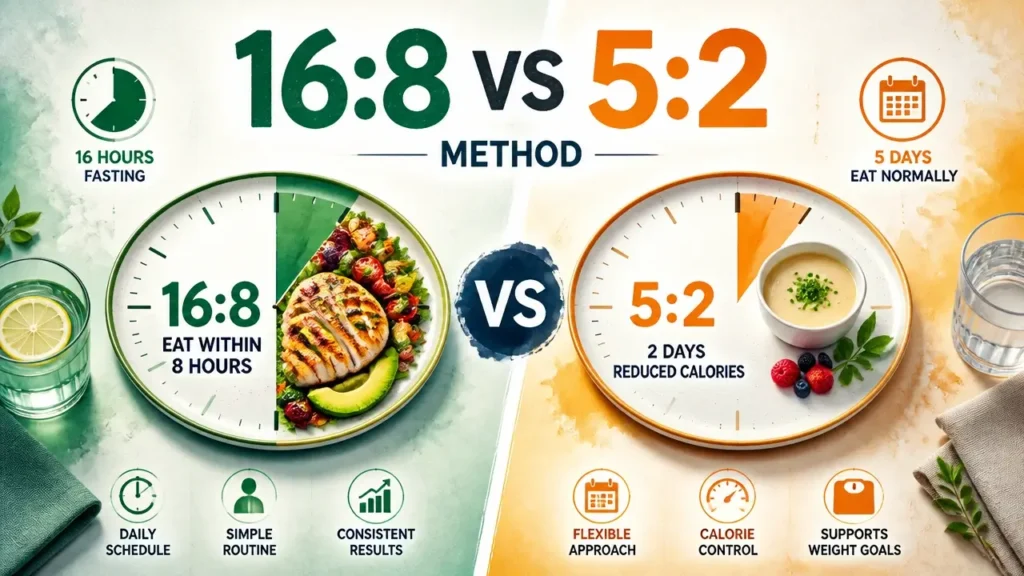
A professional 3D watercolor-style infographic comparing the 16:8 and 5:2 intermittent fasting methods.

16:8 vs 5:2 Intermittent Fasting Methods: The Biology-First Comparison That Actually Helps You Choose

, , ,

Intermittent fasting methods like 16:8 and 5:2 produce statistically equivalent weight loss – a mean difference of just 0.26 kg across 24 randomized controlled trials. What actually separates them is how each protocol fits into your daily routine, social life, and medication schedule.

16:8 vs 5:2 Intermittent Fasting Methods: The Biology-First Comparison That Actually Helps You Choose Read More »

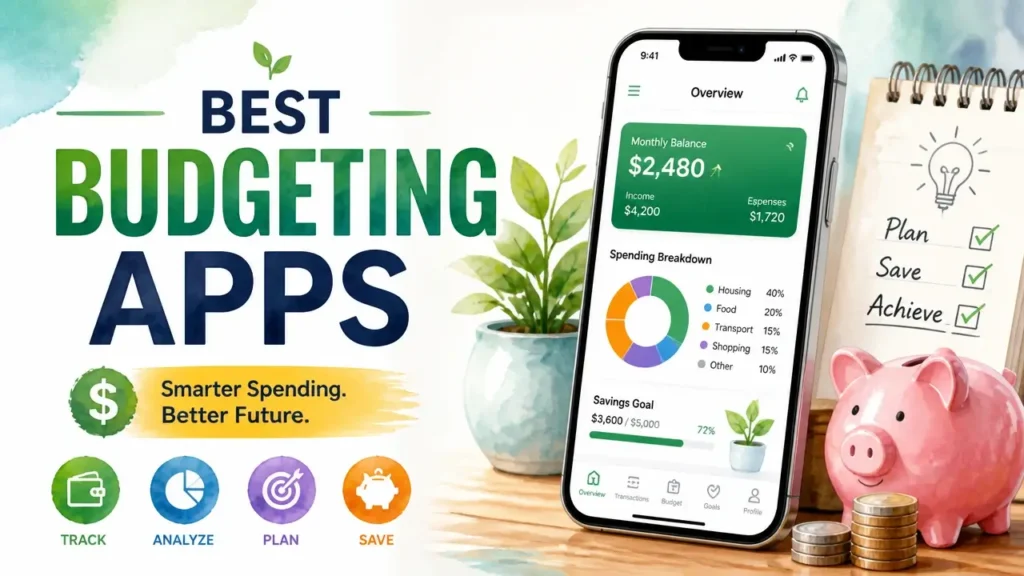
A hyper-realistic 3D rendering with watercolor textures displaying a modern infographic layout for the best budgeting apps.

The Best Budgeting Apps for Beginners: Five Picks That Actually Stick

, , ,

Budgeting apps succeed or fail based on one factor most reviews ignore: whether the app matches how you naturally think about money. This guide evaluates five standout options – from visual spend trackers to strict zero-based systems – by method-fit, security transparency, and the likelihood you’ll still be using them six months from now.

The Best Budgeting Apps for Beginners: Five Picks That Actually Stick Read More »

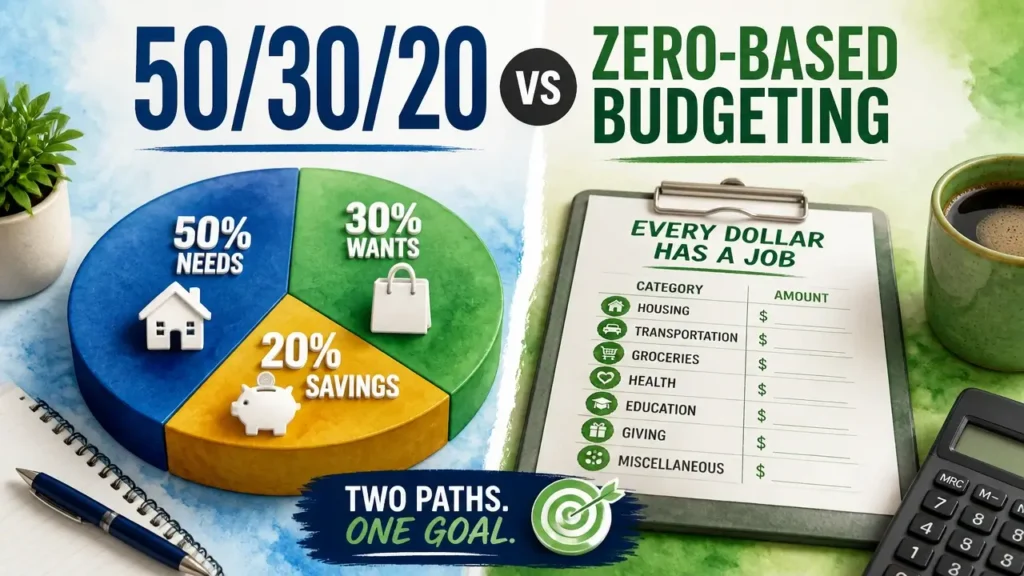
A stylized 3D infographic comparing the 50/30/20 rule and zero-based budgeting for personal finance management.

50/30/20 Rule vs Zero-Based Budgeting: Which Method Actually Fits Your Financial Life

, , ,

Budgeting methods fail most people not because they’re complicated, but because the wrong system gets matched to the wrong person. The 50/30/20 rule and zero-based budgeting operate on fundamentally different structural logic – one is a macro compass, the other is a transaction-level engine – and understanding that difference is what makes the choice obvious.

50/30/20 Rule vs Zero-Based Budgeting: Which Method Actually Fits Your Financial Life Read More »

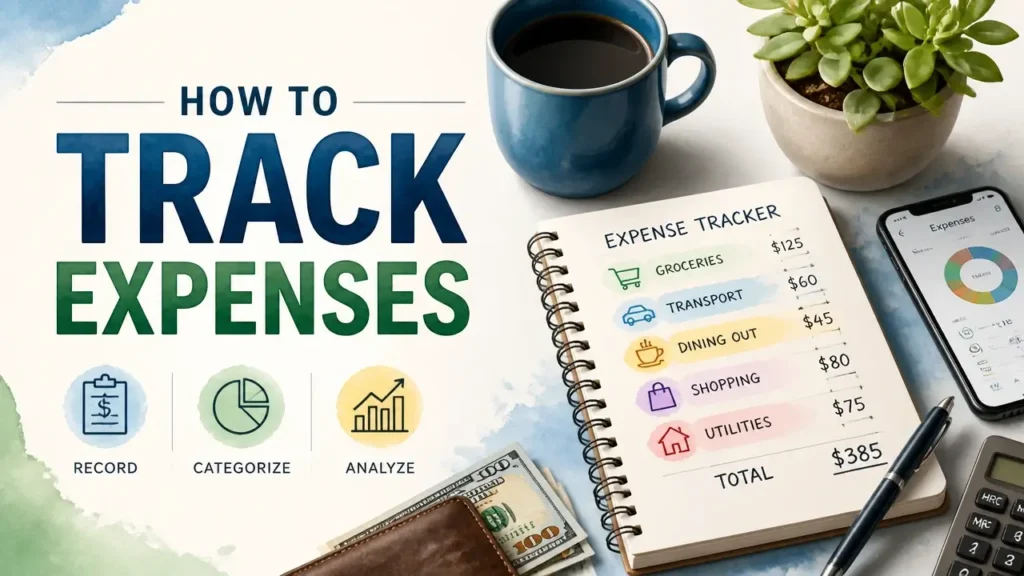
A stylized, hyper-realistic 3D rendering of financial tracking tools with a watercolor texture, representing a guide on how to track expenses.

How to Track Expenses: A Step-by-Step System for Seeing Where Your Money Actually Goes

, , ,

Tracking expenses is the one step most budgeting advice skips – and the reason most budgets collapse within a month. Before you can decide where your money should go, you need an honest picture of where it currently goes. This four-step system builds that picture using nothing more than your bank statements and a method you’ll actually stick with.

How to Track Expenses: A Step-by-Step System for Seeing Where Your Money Actually Goes Read More »

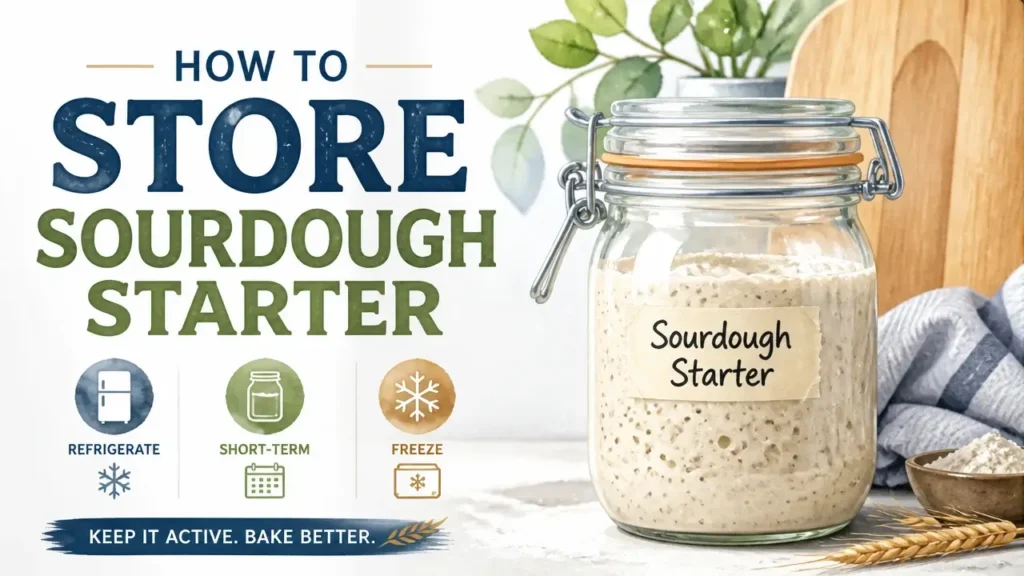
A professional 3D render of a glass jar with sourdough starter, styled as a modern infographic on how to store sourdough starter.

Storing Sourdough Starter the Right Way – Fridge, Freezer, Counter, or Dried

, , ,

Storing sourdough starter correctly means matching your method to how often you actually bake – not following a one-size-fits-all daily feeding routine. Whether you bake twice a week or twice a year, the right storage approach keeps your culture alive with minimal effort using just a glass jar and a refrigerator.

Storing Sourdough Starter the Right Way – Fridge, Freezer, Counter, or Dried Read More »

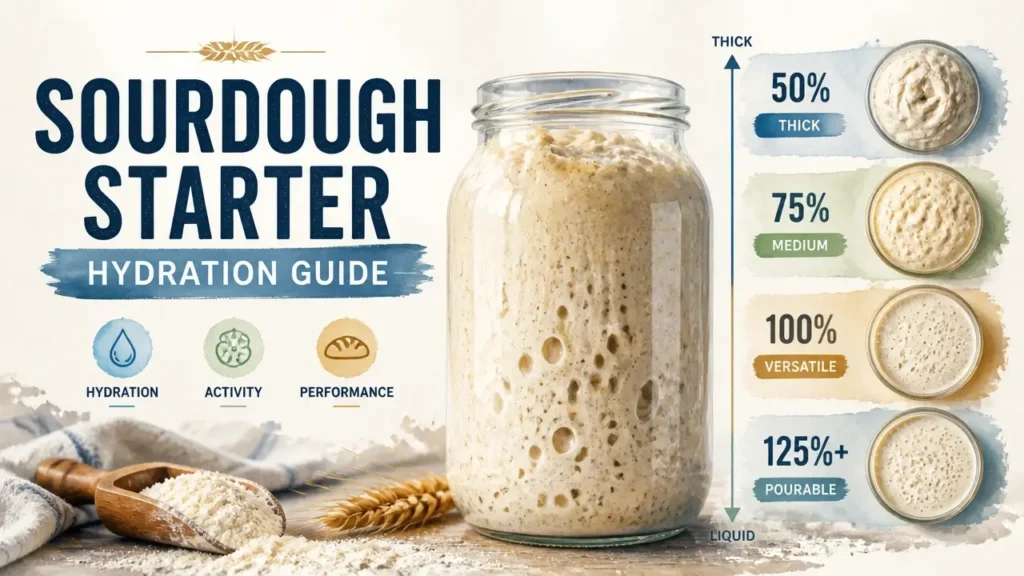
A professional 3D rendered infographic showing sourdough starter hydration levels with artistic watercolor textures.

Sourdough Starter Hydration Explained: How to Calculate, Convert, and Control It for Better Bread

, , ,

Sourdough starter hydration is the single variable that controls your starter’s microbial environment, fermentation speed, and the structural fate of your dough. Shift it deliberately – using baker’s percentages and a digital scale – and you shift everything from crumb openness to crust complexity.

Sourdough Starter Hydration Explained: How to Calculate, Convert, and Control It for Better Bread Read More »

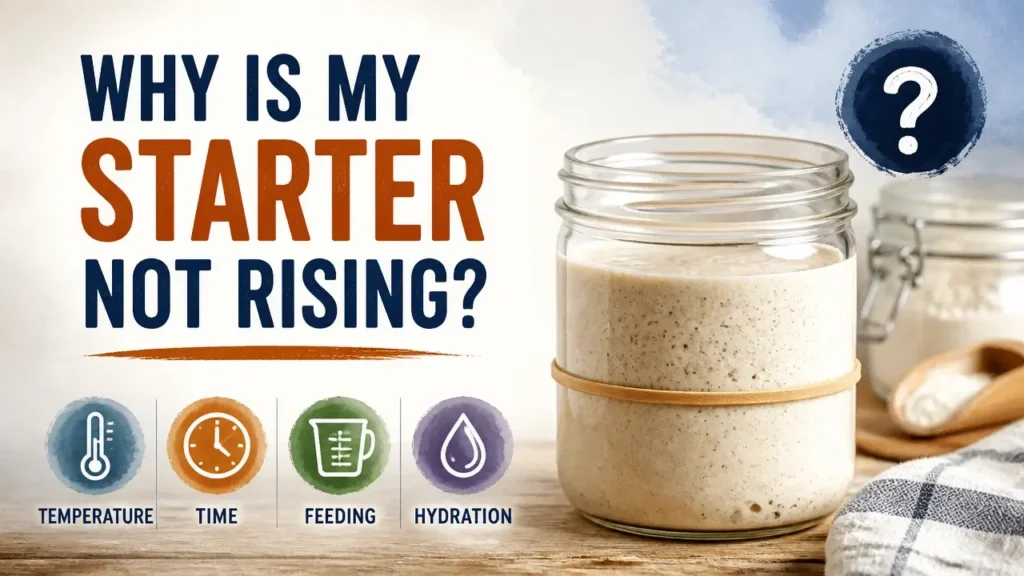
A professional 3D watercolor-style graphic showing a flat sourdough starter in a glass jar with troubleshooting infographic elements.

Why Your Sourdough Starter Is Not Rising – And Exactly How to Fix It

, , ,

Sourdough starter failure is almost never permanent – it’s a biological stall caused by one of five fixable variables: temperature, hydration ratio, flour quality, water chemistry, or a misread fermentation phase. Understanding which lever is stuck turns a week of panic into a 24-hour fix.

Why Your Sourdough Starter Is Not Rising – And Exactly How to Fix It Read More »